
Introduction
In today’s fiercely competitive digital landscape, businesses are continuously seeking ways to stand out, engage audiences, and establish long-term customer loyalty. One of the most powerful tools at their disposal is the fusion of digital marketing and branding design. The synergy between these elements does more than just attract attention it builds emotional connections, reinforces credibility, and drives conversions. As we explore the multifaceted relationship between digital marketing and branding design, it becomes clear how crucial cohesive visual identity is in any successful online marketing strategy.
Understanding Digital Marketing And Its Purpose
Digital marketing refers to all marketing efforts that use digital channels to promote products or services to current and prospective customers. These channels include search engines, social media platforms, email, websites, and mobile apps. The primary goal is to reach a target audience efficiently and cost-effectively, using data-driven strategies to optimize performance. While digital marketing can function in a performance-oriented framework, its full potential is unlocked when integrated with a strong, consistent branding design that enhances message delivery and recall.
The Role Of Branding Design In The Digital Space
Branding design is the visual and conceptual embodiment of a brand’s identity. It involves designing logos, typography, color palettes, imagery, and other visual assets that communicate a brand’s values, tone, and promise. When executed thoughtfully, branding design becomes a powerful tool for distinguishing a business in a crowded marketplace. In digital marketing, these design elements are embedded into every aspect of the user experience, from a company’s website to social media posts, advertisements, and email templates. The objective is to create a memorable impression that keeps customers coming back.
Visual Identity As A Strategic Marketing Tool
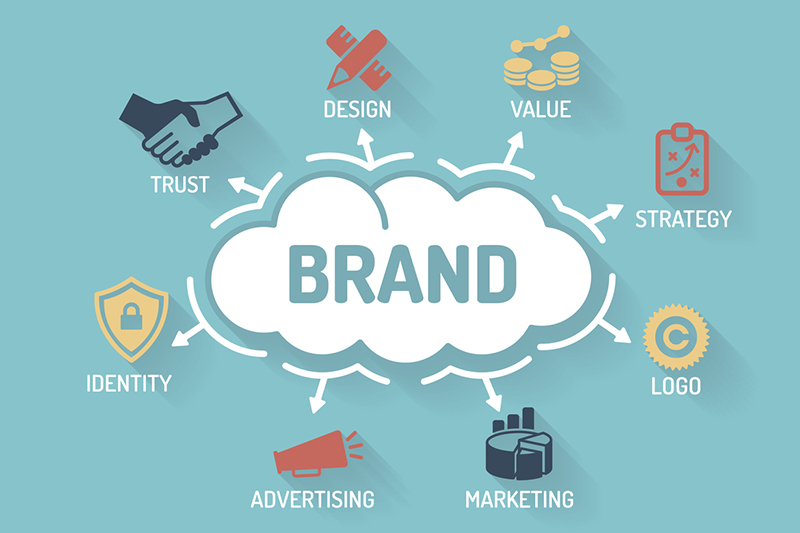
A well-designed brand identity doesn’t just look appealing—it tells a story. It represents the voice and values of the company, whether it’s bold and innovative or trustworthy and traditional. Digital marketing branding design focuses on maintaining consistency across platforms, which strengthens brand recognition and trust. For instance, when consumers see a brand’s distinct colors and logo on an Instagram ad, email newsletter, and website header, they subconsciously register familiarity. Over time, this builds credibility and customer loyalty, increasing conversion rates and long-term engagement.
Consistency Across Digital Channels
Consistency is critical in digital marketing branding design. A disjointed appearance across various channels can confuse users and weaken brand trust. Effective digital strategies prioritize maintaining visual and thematic consistency, regardless of the platform. This includes using the same logo, typography, color schemes, and tone of voice on social media, paid ads, websites, blogs, and email marketing. When a customer encounters consistent branding, they are more likely to feel secure, understood, and connected to the business. This emotional engagement becomes a competitive advantage that leads to stronger brand equity and greater customer retention.
The Psychology Of Color And Typography In Branding
Colors and typography play a psychological role in how people perceive brands. In branding design, every choice matters. The right color palette can evoke specific emotions—blue signifies trust and professionalism, red conveys energy and urgency, while green suggests harmony and growth. Typography also affects readability, tone, and brand personality. A tech company may opt for sleek, sans-serif fonts to project modernity, while a luxury brand might choose serif fonts to convey elegance. These choices, although subtle, have a significant impact on user perception and behavior in a digital marketing context.
The Influence Of Logo Design In Marketing Strategy
A brand’s logo is often the most recognizable element of its identity. It serves as a symbol of everything the brand represents. In digital marketing, logos appear in many forms—website headers, social media profiles, email signatures, video intros, and ad creatives. A well-designed logo must be adaptable, scalable, and reflective of the brand’s personality. When users see a logo frequently across digital platforms, it reinforces recognition and reinforces credibility. Investing in a strong logo design becomes essential for long-term success in digital marketing campaigns.
Website And Ux Design As Branding Foundations
Your website is the central hub of your digital marketing ecosystem. It is where branding design meets functionality and user experience. A visually cohesive and user-friendly website enhances credibility, reduces bounce rates, and boosts conversion. Elements such as layout, typography, imagery, and interactive features should align with the brand’s identity to ensure a seamless experience. Digital marketing branding design focuses on designing web pages that not only reflect the brand’s personality but also guide users toward meaningful actions such as purchases, signups, or contact inquiries.
Social Media And Brand Aesthetics
Social media is a cornerstone of digital marketing, offering unparalleled opportunities for brand exposure and audience engagement. Visual branding plays a crucial role in making a strong first impression and retaining user interest. From Instagram grid layouts to Facebook cover photos, every design element should echo the brand’s visual language. Branded templates for stories, reels, and posts enhance consistency and make the content instantly recognizable. Digital marketing branding design also involves planning content themes, using consistent photo filters, and incorporating brand colors in all creative assets to create a unified brand voice online.
Email Marketing And Branded Communication
Email marketing remains one of the highest ROI digital marketing channels. Incorporating branding design into email templates significantly improves engagement rates. A consistent email header with the brand logo, color scheme, and typography reinforces trust. Moreover, a visually appealing email layout with clear CTAs (calls to action) aligned with the brand’s tone increases user interactions. Personalized content coupled with a professional design can result in higher open rates and click-through rates. Branding in email campaigns is essential to nurture leads and build lasting customer relationships.
Branded Content Marketing And Storytelling
Content marketing is all about delivering valuable, relevant information to attract and retain a target audience. When branding design is integrated into content strategies, it elevates the storytelling potential of the content. Blog headers, infographics, illustrations, and downloadable PDFs designed with consistent branding elements increase brand recall and engagement. Visual storytelling helps to simplify complex ideas and keeps readers interested. The strategic combination of visual identity and informative content positions the brand as an industry authority, boosting SEO performance and audience trust.
The Importance Of Mobile-First Branding Design
With the majority of users accessing digital platforms through mobile devices, digital marketing branding design must adopt a mobile-first approach. Design elements must be responsive, fast-loading, and visually coherent on smaller screens. This includes optimizing image sizes, using legible fonts, and ensuring branding elements are not distorted. Mobile branding design plays a key role in user retention. A brand that looks polished and navigates smoothly on mobile devices creates a more professional and trustworthy impression, encouraging longer session times and improved engagement.
Video Marketing And Visual Branding Elements
Video content is one of the fastest-growing forms of digital engagement. Branding design in video marketing includes intro animations, lower thirds, branded transitions, and color grading that aligns with the brand’s visual style. Video thumbnails, titles, and end screens should also incorporate design elements that reinforce brand identity. When viewers consistently see a brand’s signature visual style in videos, they are more likely to recognize and remember the brand, which enhances visibility and authority in the digital space.
Paid Advertising Campaigns And Branding Impact
In paid digital advertising—such as Google Ads, Facebook Ads, and display banners—branding design is a key differentiator. Ads with consistent branding have higher engagement because they convey trust and professionalism. Whether it’s a search engine ad or a carousel on Instagram, the design must match the brand’s tone and style. Clear logos, concise messaging, and color schemes that reflect the brand help in achieving better click-through rates and conversions. Digital marketing branding design ensures that each paid campaign strengthens brand recognition and reinforces marketing goals.
Analytics And A/B Testing In Branding Design
Branding design should not be static—it evolves with user behavior and marketing performance. Through A/B testing and analytics, digital marketers can assess the effectiveness of different design elements. For instance, testing different color schemes in landing pages or emails can reveal which version performs better. User feedback, engagement metrics, and conversion rates can guide branding decisions. Data-driven design adjustments ensure that the brand remains visually appealing while staying aligned with strategic marketing objectives.
Branding Design For E-Commerce Platforms
For e-commerce businesses, branding design directly impacts purchasing decisions. Online stores must reflect brand identity in product photos, banners, navigation menus, and checkout pages. Trust seals, branded packaging visuals, and clear return policy design also influence buyer confidence. When branding is visually compelling and consistent throughout the e-commerce journey, customers feel more assured and are more likely to complete a purchase. Digital marketing efforts drive traffic, but branding design converts it into revenue.
Digital Brand Guidelines And Their Necessity
To maintain consistency across all digital platforms, businesses should develop comprehensive brand guidelines. These guidelines detail how the brand should be represented visually and verbally across channels. It includes specifications for logos, colors, typography, photography style, tone of voice, and more. Digital marketing branding design relies on these standards to create coherent, scalable marketing materials. Brand guidelines empower teams and external collaborators to produce on-brand content efficiently, eliminating inconsistencies and reinforcing identity.

Personal Branding In The Digital World
It’s not just companies that benefit from branding—individuals too can use digital marketing and design principles to build a personal brand. Entrepreneurs, influencers, and professionals can establish a recognizable online presence by maintaining a consistent profile photo, color palette, content style, and tone of communication. Personal branding opens doors for networking, job opportunities, and influence. Whether it’s a resume website, LinkedIn profile, or YouTube channel, branding design helps individuals differentiate themselves in a saturated digital world.
Integrating Branding Into Digital Campaign Strategies
Branding should not be an afterthought in digital marketing—it must be integrated into the core campaign strategy. Before launching a new product, hosting a webinar, or running a seasonal promotion, marketers must ensure all design elements align with the overarching brand identity. From pre-launch teasers to post-event follow-ups, every asset should visually echo the brand’s personality. This holistic approach makes campaigns more impactful, cohesive, and successful in meeting long-term goals.
The Future Of Branding Design In Digital Marketing
As technology evolves, branding design in digital marketing will continue to innovate. Augmented reality, interactive design, voice branding, and AI-generated visuals are all shaping the future of brand interaction. Brands that embrace evolving technologies while staying true to their core identity will remain relevant and engaging. Adaptive branding—designing elements that can adjust to different platforms and audience preferences—will be vital in this rapidly changing landscape. The brands that succeed will be those that combine creativity with consistency and adaptability.
Conclusion
Digital marketing and branding design are not separate endeavors but intertwined forces that together shape how a business is perceived online. From establishing trust and engagement to driving conversions and loyalty, effective branding design enhances every facet of digital marketing. By investing in cohesive, thoughtful, and data-informed branding strategies, businesses can navigate the complexities of the digital world with clarity and confidence. Whether it’s a startup building its identity or an established company rebranding for the digital age, the principles of branding design remain central to online success.