

Introduction
In the ever-evolving world of digital marketing, the role of a Brand Marketing Manager on Instagram has gained substantial prominence. As the platform continues to dominate the social media landscape with over a billion monthly active users, brands whether emerging startups or global corporations have recognized the critical value of a curated and strategic Instagram presence. A Brand Marketing Manager today is not just a social media handler but a visionary architect, responsible for crafting a consistent, authentic, and engaging brand identity that resonates with a target audience. This blog dives deep into the strategic mindset, tools, roles, creative responsibilities, and challenges that shape the journey of a brand marketing manager specifically focusing on Instagram as a primary platform.
Understanding The Role Of A Brand Marketing Manager On Instagram
The position of a Brand Marketing Manager on Instagram transcends posting attractive pictures or following trends. At the core, this role blends creativity, analytics, consumer psychology, and brand storytelling to create impactful digital narratives. This professional is tasked with aligning the brand’s voice, mission, and identity to every post, caption, story, and reel. They lead strategic content calendars, coordinate influencer partnerships, analyze engagement metrics, manage promotional campaigns, and optimize audience growth. Instagram, unlike other platforms, is highly visual and story-driven, so the Brand Marketing Manager must understand how to blend visuals with emotions, create connections, and maintain consistency. This person essentially becomes the digital heartbeat of a brand’s online presence.
Building A Strategic Brand Identity On Instagram
Creating a distinct brand identity on Instagram requires a deep understanding of the company’s values, tone, color schemes, product philosophy, and target audience. A Brand Marketing Manager must first conduct a comprehensive brand audit to identify existing brand perceptions and gaps. Then comes the crafting of visual guidelines, content themes, caption tones, hashtag strategies, and highlight reels that serve as an Instagram portfolio. Brand consistency is key; whether through stories, grid posts, or collaborative content, the manager ensures the brand’s image is both aspirational and approachable. Every decision, from filter use to caption length, is calculated and purposeful, driving the brand closer to its marketing goals.
Audience Targeting And Engagement Strategies
No marketing effort can succeed without a precise understanding of the audience. For an Instagram-focused brand strategy, a Brand Marketing Manager dives into user demographics, psychographics, behavioral trends, and engagement patterns. Utilizing Instagram Insights and third-party tools, they track audience location, age, gender, peak active times, and content preferences. The goal is to tailor content that attracts and retains followers. Engagement is not just about likes and shares—it’s about creating two-way conversations. The manager must strategize interactive stories, polls, AMAs (Ask Me Anything), live sessions, and user-generated content features to turn passive followers into brand advocates.
Content Planning And Visual Storytelling
Instagram thrives on aesthetic appeal and narrative depth. A Brand Marketing Manager must master the art of visual storytelling through photography, graphic design, short-form videos, and even memes. Content calendars are meticulously planned weeks in advance, balancing product promotions with educational, lifestyle, and behind-the-scenes content. There’s a narrative arc involved—each post should feel like a chapter of a bigger story. Grid layout planning is another crucial part of this job, ensuring the feed looks harmonious and appealing at first glance. Reels and stories are used to add spontaneity and immediacy to the content strategy, while carousel posts are reserved for step-by-step guides or product features.
Collaborations, Influencers, And Partnerships
Influencer marketing has become a cornerstone of Instagram branding. A Brand Marketing Manager identifies and negotiates with influencers that align with the brand ethos and can bring authentic visibility to the products or services. The success of such collaborations lies in relationship management, campaign briefing, usage rights, and ensuring influencer content complements the brand voice. Micro and nano-influencers often yield higher engagement due to their niche communities, making them ideal for targeted campaigns. Additionally, strategic partnerships with other brands or creators can expand reach and elevate the brand’s credibility in new circles, providing a mutual exchange of audiences and brand affinity.
Instagram Ads And Paid Promotions
While organic content builds trust and connection, paid promotions fuel visibility and conversions. A Brand Marketing Manager collaborates with ad specialists or runs Instagram ads directly through Meta Ads Manager. Paid campaigns can target custom audiences based on browsing history, interests, and previous interactions. Managers experiment with ad formats like story ads, collection ads, and carousel promotions, A/B testing visuals and copy to find the highest ROI. An analytical approach is critical here—click-through rates, cost-per-click, conversions, and engagement rates guide optimization. A balance of storytelling in ads and direct calls-to-action ensures both emotional impact and measurable performance.
Utilizing Instagram Analytics For Performance Improvement
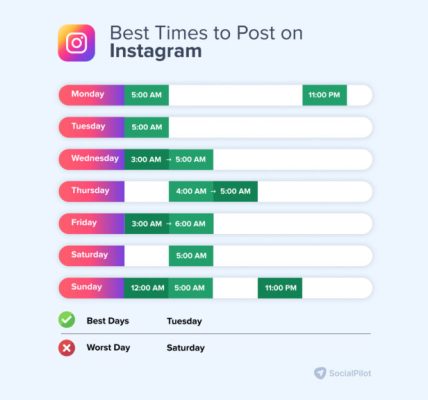
Data is the compass that guides the decisions of a skilled Brand Marketing Manager. Instagram’s native Insights offer valuable performance metrics, including reach, impressions, saves, profile visits, and follower growth. Managers use this data to fine-tune their strategy—doubling down on what works and eliminating underperforming tactics. Beyond the basics, they employ advanced analytics platforms like Sprout Social, Later, or Hootsuite to generate comprehensive reports. Regular audits help determine the best times to post, the most engaging content types, and even the ideal caption length. Data-driven creativity is the secret weapon in creating campaigns that are both beautiful and effective.

Brand Crisis Management And Reputation Building
Even the most visually appealing Instagram presence isn’t immune to crises—negative comments, product criticism, or public backlash. A Brand Marketing Manager must be adept at handling such situations with grace and professionalism. Quick response times, empathetic replies, and transparent communication are vital. Pre-approved brand statements and escalation protocols help maintain consistency and avoid public relations disasters. On the flip side, the manager must also focus on reputation building through customer shout-outs, positive reviews, and meaningful community engagement. Highlighting user success stories, giving credit to contributors, and being authentic in interactions fortifies the brand’s reputation in the long run.
Trends, Innovation, And Staying Ahead On Instagram
Instagram is a platform that constantly reinvents itself with features like Reels, Threads, Shopping, and Broadcast Channels. A Brand Marketing Manager must be a trendspotter—quick to adapt and experiment with new formats. From participating in viral challenges to leveraging trending audio for reels, innovation must be baked into the content strategy. However, it’s crucial that these trends are not blindly followed but integrated in a way that aligns with the brand’s tone. Innovation also extends to trying new content styles, using augmented reality filters, hosting virtual events, and even gamifying the brand experience. Being first to adopt can create a strong competitive advantage.
Product Launches And Instagram Campaign Management
Launching a new product on Instagram involves more than just an announcement post. A Brand Marketing Manager builds anticipation with teaser content, countdowns, behind-the-scenes looks, and influencer unboxings. Launch campaigns are designed like mini-events, with consistent messaging and high engagement. The manager often sets specific KPIs for each stage—awareness, engagement, and conversion—and designs content accordingly. Stories are used for urgency, reels for storytelling, and posts for brand consistency. Post-launch, user feedback is gathered and amplified. The lifecycle of a product can be extended with user-generated content, reviews, and creative repurposing of launch materials.
E-Commerce Integration And Instagram Shopping
Instagram has transformed into a powerful e-commerce platform, especially with features like Instagram Shop and shoppable posts. A Brand Marketing Manager ensures the brand’s product catalog is synced with Meta’s commerce tools. Each post or story becomes an opportunity for direct sales. From tagging products in lifestyle photos to creating collections for specific customer segments, the integration is seamless. Managers track the customer journey—from discovery to checkout—and tweak the content accordingly to reduce drop-off rates. Instagram Shopping also allows for limited-time offers, influencer-linked product tags, and a native shopping experience that feels organic to the user.
Team Collaboration And Cross-Functional Coordination
While the Instagram presence is often outward-facing, a Brand Marketing Manager works with various internal teams behind the scenes. Collaboration with product, design, legal, advertising, and customer service teams is routine. They translate product updates into social narratives, get assets from the design team, ensure legal compliance, sync with ad budgets, and provide insights back to the marketing department. This cross-functional coordination ensures that the Instagram strategy is not siloed but integrated with the broader brand and business objectives. Managers also oversee junior content creators, copywriters, and freelance designers to maintain quality and cohesion across all Instagram outputs.
Tools And Technologies Used By Instagram Brand Managers
Efficiency and excellence are powered by the right tools. A Brand Marketing Manager’s toolkit includes scheduling platforms like Buffer, Later, and Planoly to manage posts. Canva and Adobe Creative Suite are used for creating visually appealing graphics. Analytics platforms like Iconosquare, Socialbakers, and native Instagram Insights help track performance. Project management tools such as Trello, Asana, or Notion are used to plan content calendars and assign tasks. Influencer discovery platforms like Upfluence or Heepsy assist in partnership management. Having mastery over these tools allows the manager to maintain a high-performing, agile, and consistent Instagram strategy.
Career Growth And Skill Development
The role of a Brand Marketing Manager on Instagram offers immense career opportunities. As brands continue to prioritize digital presence, this position can lead to senior leadership roles such as Head of Digital, Chief Marketing Officer, or even Creative Director. To stay competitive, managers must continually upskill—learning about consumer psychology, algorithm changes, emerging tech like AI-driven marketing, and evolving visual trends. Certifications from platforms like Meta Blueprint, HubSpot, or Google Digital Garage also enhance credibility. The combination of strategic vision, creativity, analytics, and communication forms the bedrock of long-term success in this dynamic career.
Future Of Instagram Brand Marketing
Looking ahead, the future of Instagram brand marketing is deeply intertwined with personalization, AI integration, immersive experiences, and tighter community building. As Instagram explores deeper AI-generated content features, augmented reality experiences, and native shopping enhancements, the role of a Brand Marketing Manager will evolve further. Success will depend on how well one can integrate emerging technologies with authentic brand storytelling. Sustainability, inclusivity, and social responsibility will also become more central to brand narratives. The manager’s job will not be just about visibility, but also about creating lasting emotional connections that drive loyalty and advocacy in an increasingly saturated digital world.
Conclusion
The role of a Brand Marketing Manager on Instagram is both challenging and rewarding. It demands a perfect balance between creative intuition and data-driven strategy. It requires a deep understanding of brand psychology, a pulse on current trends, and a willingness to experiment and innovate. From content planning and influencer collaborations to e-commerce integration and reputation management, the responsibilities are vast yet deeply interconnected. As Instagram continues to evolve, the managers who succeed will be those who not only keep pace with its features but understand how to use them to tell compelling, purposeful stories that captivate, connect, and convert.