
Introduction
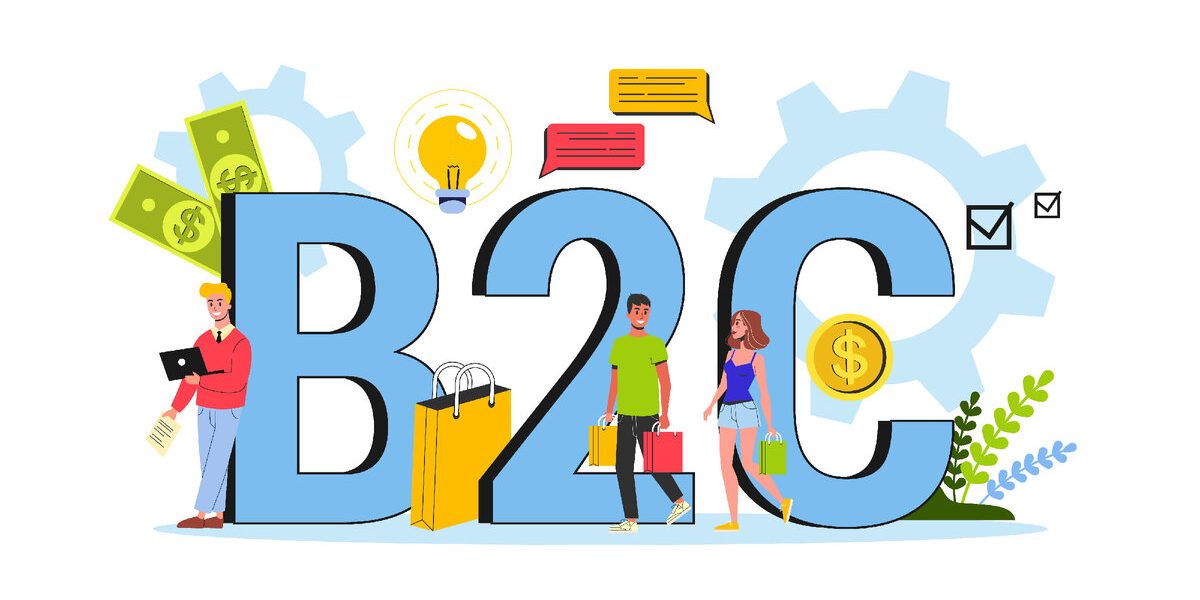
B2C Marketing Automation Software, In an age where personalization and instant gratification drive consumer decisions, B2C marketing automation software has emerged as a cornerstone for businesses seeking scalable and sustainable growth. Unlike B2B, where decision-making cycles are longer and often involve multiple stakeholders, B2C transactions are quicker and driven by emotion, relevance, and timing. To cater to these evolving needs, marketers need tools that can automate and personalize every touchpoint along the customer journey. This is where B2C marketing automation platforms play a crucial role, enabling brands to deliver relevant content, trigger-based communication, and real-time engagement across channels.
The Evolution Of Marketing Automation In B2C Marketing Automation Software
Marketing automation initially found its stronghold in B2B environments, with workflows built around lead nurturing and sales enablement. However, as consumer behavior shifted and expectations rose, B2C companies realized the potential of automating repetitive marketing tasks. Today’s B2C automation software doesn’t just schedule emails or manage contacts—it integrates AI, machine learning, real-time analytics, and omnichannel campaign orchestration. This evolution has allowed businesses in retail, e-commerce, hospitality, and D2C services to create hyper-personalized experiences at scale.
Core Capabilities Of Modern B2C Marketing Automation Platforms
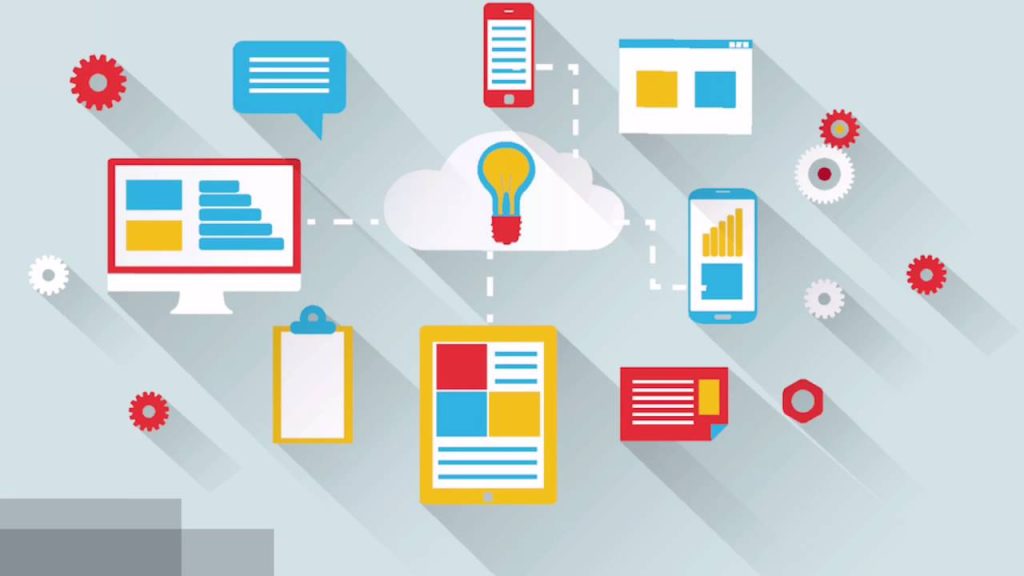
At its core, B2C marketing automation software marketing automation software enables brands to reach the right consumer at the right time with the right message. Some of the most important capabilities include behavior-based segmentation, which ensures campaigns are tailored to individual interests and actions. Platforms also offer advanced lead scoring systems that prioritize consumers based on their likelihood to convert. Another key feature is the ability to create and deploy dynamic content that adjusts according to user data. Moreover, multichannel communication options—ranging from email and SMS to push notifications and social media integrations—ensure brands stay connected with their audience wherever they are.
Personalized Customer Journeys And Lifecycle Marketing
B2C consumers engage with brands across a variety of digital and offline touchpoints. Marketing automation software helps streamline these interactions by creating customer journey workflows that adapt in real-time. For example, an e-commerce brand can design an automated sequence that starts with a welcome email, follows up with product recommendations based on browsing behavior, sends cart abandonment reminders, and re-engages the customer post-purchase with upsell offers or loyalty points. Lifecycle marketing becomes significantly more effective when powered by automation, as it facilitates consistent engagement throughout the awareness, consideration, purchase, and retention stages.
Data Integration And Centralized Customer Profiles
A fundamental aspect of successful B2C marketing automation software is the integration of data from multiple sources into a single customer view. This includes data from CRM systems, e-commerce platforms, social media interactions, mobile app activity, and offline purchase data. By consolidating these touchpoints into centralized customer profiles, marketers can generate insights that inform personalization strategies. B2C marketing automation software often includes data synchronization tools and APIs that pull information from disparate sources, allowing for a 360-degree view of the consumer. The ability to act on this data in real-time is what distinguishes advanced platforms from basic campaign management tools.
AI And Predictive Analytics In B2C Automation
Artificial intelligence has revolutionized the capabilities of marketing automation software. In a B2C context, AI enables brands to predict customer behavior, recommend products with higher accuracy, and identify the optimal timing for outreach. B2C Marketing Automation Software, Predictive analytics tools embedded within automation platforms can determine which segment of users is likely to churn, convert, or respond positively to a discount offer. These insights enable marketers to make data-driven decisions and continuously optimize their campaigns. Moreover, AI-powered content engines can generate personalized messaging variations, thereby reducing the manual workload and increasing the chances of engagement.
Omnichannel Orchestration For A Unified Experience
Consumers today switch between devices and platforms effortlessly. To maintain consistency and relevance, B2C marketing automation must operate across multiple channels simultaneously. This means not just coordinating messages but optimizing their timing and content for each platform. Whether a user is browsing a website on desktop, checking social media on their phone, or receiving emails on a smartwatch, omnichannel orchestration ensures the message remains cohesive. Marketing automation software facilitates this by enabling conditional triggers, cross-channel workflows, and real-time analytics dashboards that monitor campaign performance across the board.
Behavioral Targeting And Trigger-Based Campaigns
Unlike static campaigns that follow a rigid calendar, trigger-based campaigns react to customer behavior in real-time. These campaigns are among the most effective in B2C marketing automation software environments because they meet consumers at moments of high intent. For example, a user who views a product multiple times but doesn’t purchase it can be automatically added to a retargeting campaign with personalized offers. Similarly, if someone abandons their cart, an SMS reminder can be sent within minutes. These micro-moments are critical to conversions, and B2C marketing automation software allows brands to capitalize on them with minimal manual intervention.
A/B Testing And Campaign Optimization
No marketing campaign is perfect on the first try. B2C marketing automation software marketers must test and optimize their strategies continuously to remain competitive. Marketing automation tools offer built-in A/B testing features that allow brands to experiment with different subject lines, call-to-actions, images, and content formats. More advanced platforms even support multivariate testing, enabling deeper insight into what truly drives user engagement. This iterative approach to marketing not only improves performance but also helps allocate resources to the most impactful strategies.
Loyalty Programs And Retention Campaigns
Acquiring new customers is often more expensive than retaining existing ones. B2C marketing automation supports loyalty initiatives by creating automated workflows that reward long-term engagement. Whether it’s sending a birthday reward, reactivating dormant customers with exclusive offers, or gamifying repeat purchases through points systems, automation software ensures that loyalty efforts run efficiently. These tools also allow brands to track loyalty metrics and segment customers based on their lifetime value, helping marketers tailor retention strategies accordingly.
Integration With E-Commerce And CRM Platforms
One of the strengths of top-tier B2C marketing automation software is its ability to integrate seamlessly with other critical systems. E-commerce platforms like Shopify, WooCommerce, or Magento, and CRM tools such as Salesforce, HubSpot, or Zoho, are often natively supported. These integrations ensure that customer data flows in both directions, enriching automation workflows with up-to-date information. For instance, a change in a customer’s order status in the e-commerce platform can instantly trigger an email or notification via the automation tool. This real-time responsiveness enhances the overall customer experience and reduces manual effort for marketers.
Compliance And Data Privacy Considerations
With the increasing emphasis on data privacy through regulations such as GDPR, CCPA, and other regional laws, B2C businesses must ensure their automation practices are compliant. Modern marketing automation platforms include features that support compliance, such as consent management, data encryption, opt-in tracking, and secure data storage. Additionally, the ability to customize privacy-related communication within automated workflows ensures that users are informed and their preferences respected. This builds trust, which is a vital component of long-term customer relationships.
Mobile Marketing Automation For On-the-Go Consumers
A significant portion of consumer interactions now occurs on mobile devices, making mobile marketing automation a key area of focus. From SMS campaigns to push notifications and in-app messaging, automation software can help B2C brands stay relevant to users on their smartphones. Geo-targeting, mobile behavior analytics, and responsive design templates are now common features. The effectiveness of mobile campaigns often depends on immediacy and personalization, two areas where automation provides unmatched advantages. Furthermore, mobile-specific triggers such as app installs, screen views, or usage patterns can be used to guide highly tailored campaigns.
Challenges In Implementing B2C Marketing Automation
Despite its benefits, implementing B2C marketing automation software comes with its own set of challenges. One of the primary hurdles is data quality and unification, particularly for companies that rely on multiple legacy systems. Without clean and consistent data, even the most advanced automation tools can produce underwhelming results. Another challenge is the steep learning curve associated with configuring workflows, setting up integrations, and understanding analytics dashboards. Additionally, there is a risk of over-automation, where customers feel like they’re being spammed or treated impersonally. Brands must strike a balance between efficiency and authenticity.
The ROI Of Marketing Automation In B2C
While the upfront investment in B2C marketing automation software can be significant, the long-term ROI is often substantial. Businesses report improved conversion rates, increased customer lifetime value, reduced churn, and higher campaign ROI. By automating repetitive tasks and enabling personalized outreach, teams can focus more on strategy and creativity. Additionally, the insights derived from automation platforms help businesses make more informed decisions about product development, pricing strategies, and customer service enhancements.
Choosing The Right B2C Marketing Automation Tool
Selecting the right platform involves understanding your business needs, budget, and future growth plans. Small businesses might prefer simpler tools with drag-and-drop builders and template-based workflows, while larger enterprises may require more advanced capabilities like AI, cross-channel orchestration, and custom API integrations. Important considerations include scalability, user-friendliness, customer support, integration capabilities, and compliance readiness. Free trials and demo versions can provide a hands-on look before committing, ensuring the chosen solution aligns with your goals.
The Future Of B2C Marketing Automation
Looking ahead, the future of B2C marketing automation lies in hyper-personalization, real-time interactions, and ethical data usage. As machine learning algorithms become more sophisticated, platforms will be able to predict customer intent with even greater accuracy. Voice search, AR/VR marketing, and the Internet of Things (IoT) will also influence how automation tools interact with users. Furthermore, the demand for no-code and low-code solutions will make automation accessible to non-technical teams, democratizing its use across marketing departments. Ultimately, the focus will shift from just automating processes to creating emotionally intelligent customer experiences.
Real-Time Analytics And Performance Tracking
An essential feature of B2C marketing automation software is the ability to provide real-time analytics and performance tracking. In fast-paced consumer markets, the ability to monitor how a campaign is performing in the moment—rather than after the fact—can make all the difference. Marketers can instantly see which subject lines are leading to higher open rates, which segments are converting best, or how traffic behaves after receiving a mobile push notification. These real-time dashboards allow for quick decision-making and adjustments, eliminating the guesswork that traditionally plagued long-term marketing campaigns. Additionally, robust reporting tools help in identifying patterns over time, comparing the effectiveness of different campaign types, and forecasting future outcomes. As competition intensifies in B2C environments, the ability to adapt campaigns on-the-fly using performance data gives brands a significant edge.
Dynamic Content And Personalization At Scale
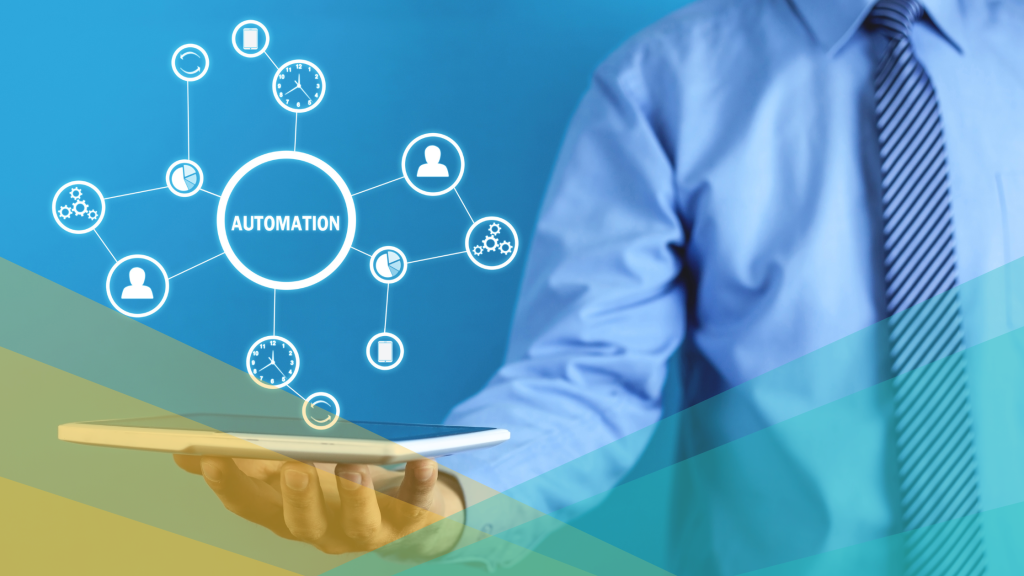
Dynamic content is one of the most powerful tools within a B2C marketing automation platform. Unlike static messaging, dynamic content adapts in real time based on user behavior, preferences, or demographics. For instance, a customer browsing winter clothing in a northern region will see completely different recommendations than a shopper from a tropical area. This level of contextual personalization greatly increases relevance, which in turn boosts conversion rates. Automation tools can populate emails, landing pages, or even product pages with user-specific information such as first names, last viewed items, wishlist reminders, or birthday messages. The ability to personalize at scale, across thousands or even millions of customers, is what truly sets advanced marketing automation apart. It’s not just about knowing your customer—it’s about acting on that knowledge automatically, in a meaningful and timely manner.
Conclusion
B2C marketing automation software has become an indispensable tool for businesses looking to thrive in a competitive, fast-paced digital environment. It empowers brands to engage customers with precision, relevance, and efficiency, all while reducing manual effort and improving return on investment. From creating personalized customer journeys to executing real-time, trigger-based campaigns, automation platforms streamline every stage of the consumer lifecycle. Features like dynamic content, omnichannel communication, AI-driven analytics, and sentiment tracking enable marketers to respond intelligently to ever-changing consumer service behavior.
Moreover, the ability to unify customer data, test campaigns continuously, and automate loyalty programs makes these platforms far more than just email schedulers—they become the backbone of a scalable, customer-centric marketing strategy. As technologies evolve, so too will the capabilities of B2C automation tools, placing even greater emphasis on real-time engagement, predictive analytics, and emotionally intelligent marketing.
Choosing the right B2C marketing automation software is not merely a technological decision—it’s a strategic investment in how your brand communicates, connects, and grows. Whether you’re a growing D2C brand or an established retailer, leveraging the right automation platform can transform your marketing from reactive to proactive, from generic to personal, and from fragmented to truly integrated.